
Methodology Methods for Your IGNOU MBA Project
Methodology Methods for An Effective IGNOU MBA Project
Choosing the suitable data collection methods is crucial for the success of your IGNOU MBA project. This resource examines various methodological strategies you can adopt to gather credible information and conduct effective research for your management study.
1. Knowing IGNOU's Methodology Expectations
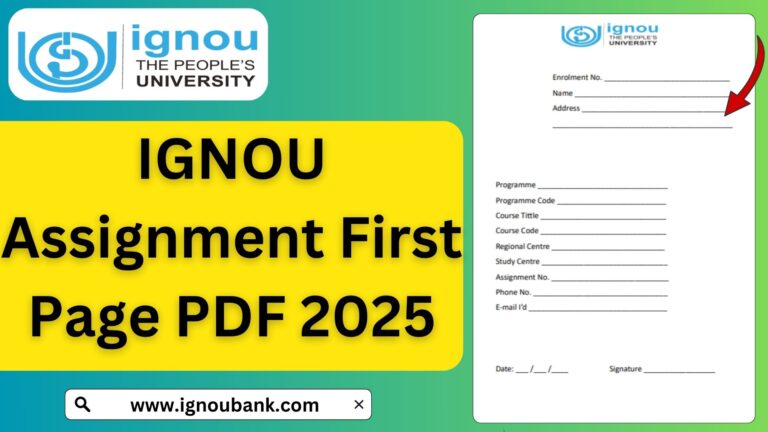
Before selecting your methods, understand IGNOU's specific guidelines: (Image: https://www.ignoubank.com/wp-content/uploads/2025/03/IGNOU-Assignment-First-Page-PDF-2025-How-to-Download-and-Format-It-Correctly-768x432.jpg)
Emphasis on practical business study Need for both secondary research Preference for industry relevance Permitted methodological approaches Moral requirements for research
2. Primary Data Methods
The following techniques involve gathering new information:
A. Surveys
Advantages: Economical, large coverage, measurable results Implementation: Paper-based forms with structured questions Tips: Keep questions clear, use Likert systems where suitable
B. Interviews
Types: Structured approaches Best for: Detailed exploratory data Tips: Prepare an question protocol, record responses accurately
C. Organizational Analyses
Approach: Comprehensive examination of specific company(ies) Data Sources: Documents, interviews, archival materials Benefits: Contextual, real-world insights
3. Secondary Research Methods
The following approaches utilize pre-existing information:
A. Document Review
Sources: Academic journals, theses, conference proceedings Purpose: Establish conceptual framework Tips: Concentrate on recent (last 5 years) literature where applicable
B. Industry Data
Examples: Annual statements, government data, market research Access: Organization websites, database platforms Analysis: Trend evaluation of figures
C. Online Sources
Types: Website data, user feedback, forum posts Tools: Web scraping software, tracking platforms Considerations: Ethical issues, data validity
4. Numerical vs Qualitative Methods
Factor Quantitative Approach Qualitative Methods
Information Form Numbers, measurable data Descriptions, experiences, insights
Evaluation Method Statistical analysis, tools like SPSS/Excel Content coding, pattern analysis
Sample Size Bigger group numbers Smaller but more detailed sample analysis
IGNOU Suitability Financial research, metric-based projects Organizational studies, customer perception research
5. Combined Approaches
Many successful IGNOU MBA projects integrate both numerical and qualitative methods:
Case 1: Survey results enhanced with interview insights Case 2: Performance data studied alongside case studies Benefits: Comprehensive understanding, confirms results through multiple methods
6. Information Analysis Techniques
After gathering, you'll need to process your information:
A. Statistical Analysis
Descriptive: Means, frequencies, distributions Inferential: Correlation testing, hypothesis testing Tools: Excel, SPSS, other analysis packages
B. Thematic Analysis
Coding: Identifying themes in narrative data Interpretation: Extracting insights from interviews Tools: NVivo, hand coding methods
7. Common Methodological Errors to Prevent
Mismatch: Choosing techniques that don't match with research questions Sample Issues: Inadequate respondent size, unrepresentative sampling Tool Deficiencies: Poorly constructed questionnaires Ethical Violations: Neglecting confidentiality requirements Interpretation Mistakes: Misinterpreting results, exaggerating conclusions
8. Choosing the Appropriate Techniques for Your Subject
Consider these elements when determining your methodology:
Type of Study: Exploratory objectives Available Time: Budget, availability to data IGNOU Expectations: Project guidelines Your Skills: Familiarity with specific methods Supervisor's Recommendations: Professional input
Final Recommendations
The research techniques you choose will greatly impact the value and acceptance of your IGNOU MBA project. Keep in mind that there is no single “perfect” method - the most suitable choice depends on your particular research objectives, accessible resources, and academic requirements.
Preferably, start planning your methodological approach early, discuss it with your guide, and be ready to adjust your methods as your project develops. Appropriate research methods will not only guarantee your project's acceptance but also make the entire experience more manageable and valuable.
Fatal error: Allowed memory size of 134217728 bytes exhausted (tried to allocate 28 bytes) in /home/mantis/www/dokuwiki/lib/plugins/authplain/auth.php on line 370